
Mold in your apartment: what Texas law says and what to do next
By Ross Quade · Updated 2026-07-15
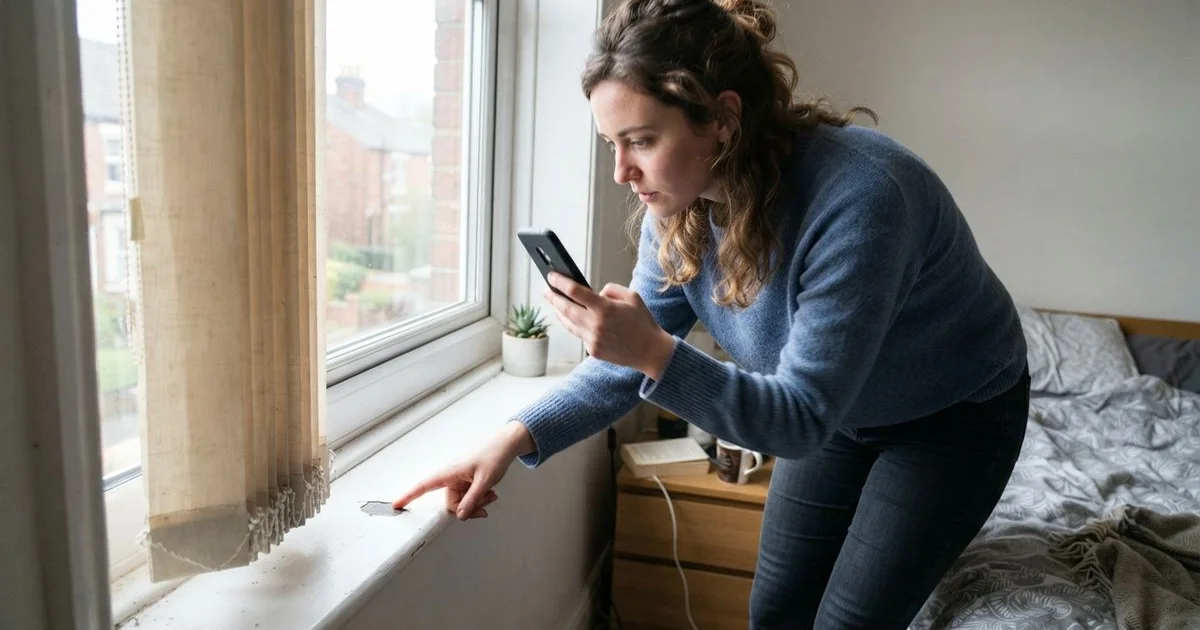
A little mold in a bathroom corner from normal humidity is common and usually not a crisis. A recurring patch behind drywall, around a window, or following a leak is a different situation, and how you document and report it matters for both your health and your legal position.
What Texas law actually says
Texas doesn’t have a mold-specific statute the way some other states do. Mold complaints generally fall under the general landlord repair obligations in Texas Property Code Chapter 92, which requires a landlord to repair a condition that materially affects a tenant’s physical health or safety, once given proper written notice and a reasonable opportunity to fix it. Mold tied to a moisture source, like a leak or ventilation failure, typically qualifies as this kind of condition. Cosmetic mildew from routine bathroom humidity, addressed through normal cleaning, generally doesn’t rise to the same level.
The notice-and-repair process
| Step | What it involves |
|---|---|
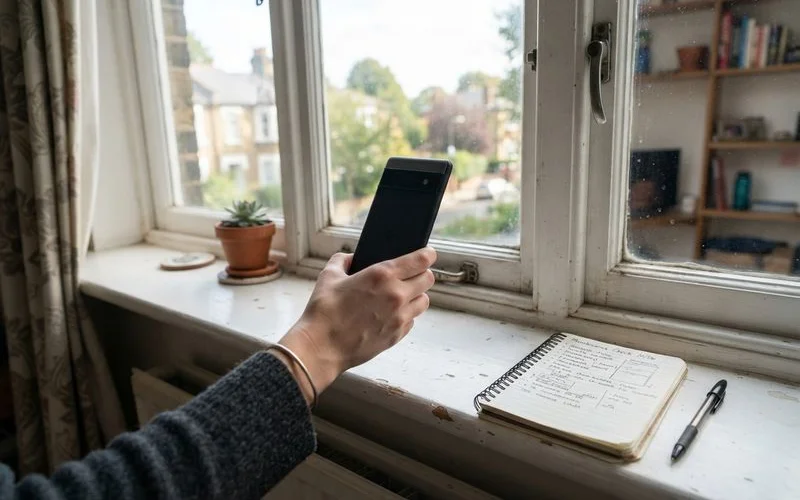
| 1. Document | Photograph or video the affected area, note the date, location, and apparent cause if visible (leak, condensation, ventilation issue) |
| 2. Notify in writing | Send a written notice to your landlord describing the issue; Texas repair remedies generally require this in writing, not just a phone call |
| 3. Allow reasonable time | Texas law expects a landlord a reasonable opportunity to respond and repair once notified |
| 4. Escalate if unresolved | If the landlord fails to act within a reasonable time after proper notice, Texas Property Code Section 92.056 outlines tenant remedies, which can include repair-and-deduct options, lease termination, or damages, each with specific conditions |
Each remedy under Section 92.056 has its own specific procedural requirements, and using the wrong one, or skipping a step, can undercut an otherwise valid claim. This is exactly the kind of situation where a quick call to a tenant rights organization before you act pays for itself.
Why the underlying cause matters as much as the mold itself
Mold almost always traces back to a moisture source: a slow leak, poor ventilation, a failed seal around a window, or condensation from an HVAC issue. Treating the visible mold without fixing the source just means it comes back. If a landlord cleans a mold patch but doesn’t address the leak or ventilation problem behind it, document that too, since it’s relevant if the issue recurs and you need to show a pattern of inadequate repair.
If you’re having health symptoms
Some people are more sensitive to mold exposure than others, particularly those with asthma, allergies, or other respiratory conditions. Symptoms can include coughing, throat or eye irritation, or worsened allergy or asthma symptoms while in the affected space. If you’re experiencing something you think is related to mold exposure in your unit, see a doctor and mention the exposure specifically, separately from pursuing the repair issue with your landlord.
When to bring in outside help
- A tenant rights organization or legal aid clinic can review your documentation and confirm which Property Code remedy actually fits your situation before you act.
- An independent mold inspector can provide a professional assessment if your landlord disputes the severity or source, though this is an added cost worth weighing against the situation.
- City code enforcement can investigate serious, unresolved habitability complaints in some cases.
Reading complaints in the aggregate rather than reacting to one review applies beyond mold too; the guide to gated community safety walks through the same pattern-over-single-review approach for a different set of complaints.
This guide covers general information about apartment mold and Texas repair law, not medical or legal advice for your specific situation; mold severity, health effects, and the correct legal remedy all depend on your particular circumstances, so consult a doctor for health symptoms and a tenant rights resource or attorney before pursuing a formal legal remedy. Our methodology explains how we weigh maintenance and habitability complaint patterns across Dallas listings, and you can start from the homepage to browse current communities.
FAQ
- Does Texas have a specific mold law for apartments?
- Not a mold-specific statute. Mold complaints generally fall under Texas's general landlord repair obligations in Property Code Chapter 92, which requires landlords to fix conditions that materially affect a tenant's health or safety after proper written notice.
- How do I properly notify my landlord about mold?
- Put it in writing, describe the location and extent as specifically as you can, and include photos or video. Texas repair remedies generally require written notice, so a verbal complaint alone is a weaker starting point if you need to pursue formal remedies later.
- Do I need to pay for mold testing myself?
- Not necessarily as a first step. Document what you see and notify your landlord in writing first. If the response is inadequate or the situation seems serious, an independent inspection can strengthen your case, though it's an added cost you'll want to weigh against the situation's severity.
- Can mold cause health problems?
- Some people, especially those with allergies, asthma, or respiratory conditions, can have real reactions to mold exposure. If you're experiencing symptoms you think are related to mold in your unit, talk to a doctor and mention the exposure specifically, in addition to addressing the mold itself.