
Pest control in Dallas apartments: what's normal and when to push back
By Ross Quade · Updated 2026-07-03
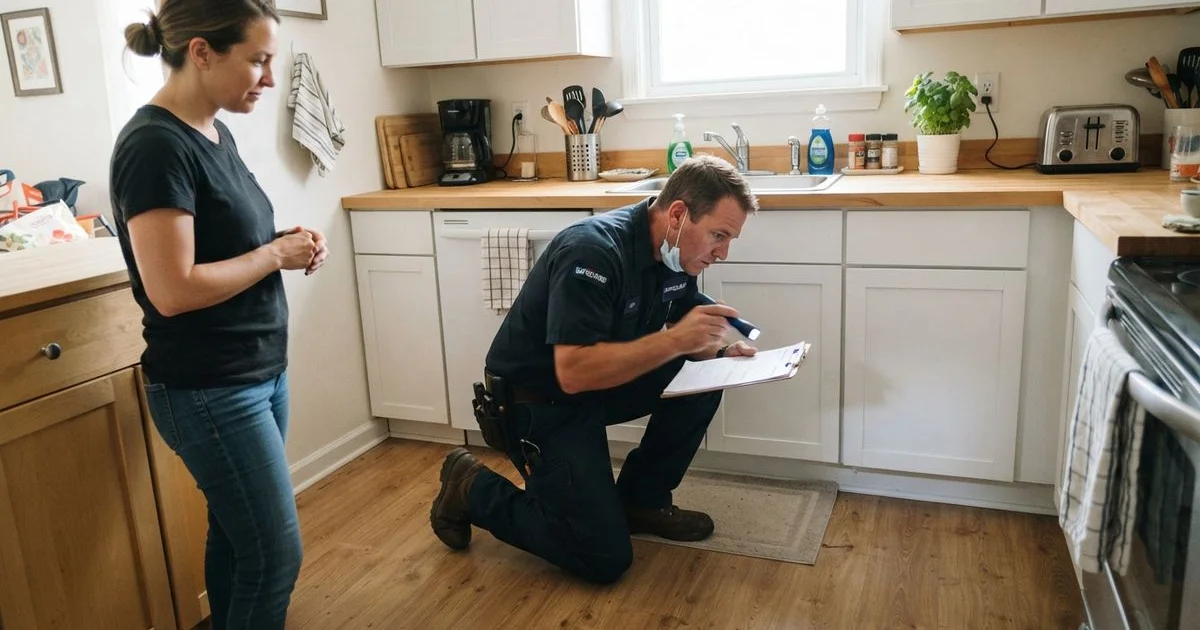
Roaches and ants show up more often than any other single complaint in Dallas apartment reviews, more than parking, more than noise. That doesn’t mean every property has a pest problem. It means pest control is one of the clearest signals of whether a leasing office actually follows through once you’ve signed, so it’s worth understanding before you sign, not after.
What counts as normal in North Texas
Texas’s climate means some level of pest pressure is close to unavoidable, especially for ground-floor and garden-style units near landscaping or dumpsters. A well-run community treats this as routine: scheduled quarterly or monthly service across the property, a straightforward way to request an extra visit, and a pest control vendor that shows up on a predictable cadence. If a leasing agent can tell you the name of their pest control contractor and roughly how often units get treated, that’s a decent sign.
What’s not normal is a request that goes unanswered, a technician who sprays once and never follows up, or a pattern where the same pest returns within days of treatment. Reviews across multiple Dallas properties describe exactly this gap: quick response for routine items like a leaky faucet, but pest requests that sit for weeks, or get marked “resolved” without an actual visit.
Documenting what you’re dealing with
Before you file anything, get specifics down. Photos with a timestamp, the exact date and time you filed each request, and a short written description of what you’re seeing (where, how often, what kind of pest) all matter more than they seem to in the moment. This record is what makes an escalation credible instead of just a frustrated call.
| Situation | Reasonable next step |
|---|---|
| First pest sighting, isolated | Submit a standard maintenance request through the resident portal or office |
| No response after 5-7 business days | Follow up in writing (email, not just a phone call) and reference your original request date |
| Pest returns within days of a documented treatment | Ask for a different treatment method or a second technician visit; note this in writing |
| Repeated, unresolved issue across multiple weeks | Put a formal written notice to management on file, and look into local code enforcement or a tenant rights resource |
When it’s time to go beyond the leasing office
If a documented, repeated request goes nowhere, Dallas renters have a few paths beyond simply calling again. City code enforcement can inspect a property for health and habitability violations. The Texas Department of Housing and Community Affairs and local tenant rights organizations can explain what remedies actually apply to your specific lease and situation. None of these should be your first move, but they exist for a reason, and a paper trail of documented requests is what makes them useful if you need them. The same escalation path applies to other habitability problems; the guide to mold in Texas apartments covers when a health issue crosses into a legal one.
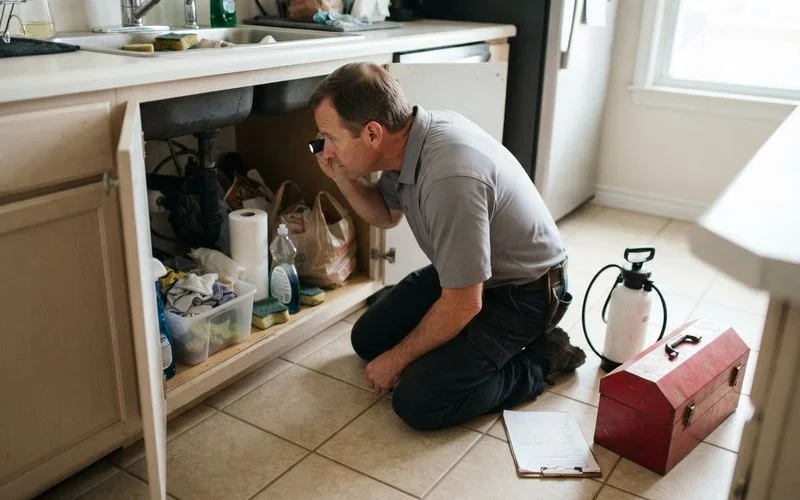
What to ask before you sign
A few direct questions on your tour can save you a bad surprise later:
- Who is your pest control vendor, and how often do they service the property?
- Is treatment scheduled proactively, or only after a resident files a request?
- What’s the average turnaround time from request to actual treatment?
- Has any unit or building had a documented infestation in the past year, and how was it resolved?
Leasing staff won’t always volunteer a direct answer to that last one, but how they respond, straightforward versus evasive, tells you something on its own.
This is general information based on patterns across Dallas apartment reviews and public resources, not legal advice specific to your lease or situation; for anything involving withheld rent, repair-and-deduct remedies, or a habitability dispute, confirm your rights with a Texas tenant rights organization or an attorney before acting. You can see how we weigh sentiment patterns like pest complaints in our scoring methodology, and browse current listings from our homepage.
FAQ
- Is pest control usually included in apartment rent?
- Many Dallas properties include routine, scheduled pest treatment as part of rent or a small monthly service fee. Ask specifically whether it's proactive (scheduled visits) or reactive (only after you file a request), since that changes how fast a problem actually gets handled.
- How many maintenance requests should I file before I escalate?
- One documented request that goes unresolved after a reasonable follow-up, generally a week or two for a non-emergency pest issue, is enough to escalate in writing. Don't wait for a pattern to form if the first request already went nowhere.
- Can I withhold rent over a pest problem in Texas?
- Texas law sets specific, narrow conditions for repair-and-deduct remedies, and withholding rent outside those conditions can put your own lease at risk. Put your complaints in writing and consult a tenant rights resource or attorney before withholding any payment.
- What's the difference between a roach seen once and an infestation?
- A single pest sighting, especially near ground floor or shared walls, isn't unusual anywhere in a warm climate. A pattern, seeing them repeatedly after treatment, at multiple times of day, or alongside signs like droppings or egg cases, points to an active infestation that needs a different response than a one-time spray.