
Breaking a lease in Texas: when you're liable and how to limit the damage
By Ross Quade · Updated 2026-07-13
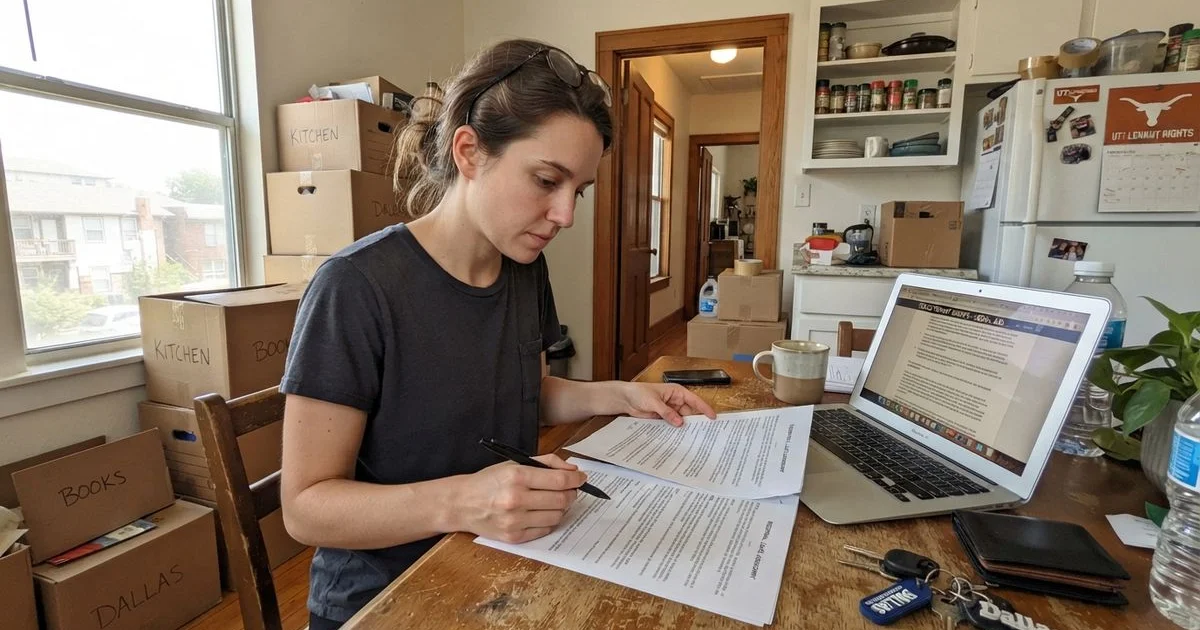
Life changes faster than a 12-month lease sometimes allows: a job relocation, a relationship ending, a family emergency. Breaking a lease in Texas isn’t as simple as walking away, but it’s also not the financial disaster some renters assume. Understanding the actual mechanics changes how you handle it.
The default: you’re on the hook, with a limit
Absent a qualifying legal exception, breaking a lease early generally means you remain liable for the rent through the end of your lease term. But Texas law puts a real limit on that liability: under Texas Property Code Section 91.006, a landlord has a duty to make a reasonable effort to re-lease the unit, called mitigating damages, rather than letting it sit empty while collecting rent from you for the full remaining term. Once a new tenant is in place and paying, your obligation for that overlapping period generally ends. This is the single most misunderstood part of breaking a lease: you are not automatically on the hook for the entire remaining balance no matter what.
Situations with real legal protection
A handful of situations give Texas renters a legitimate path to end a lease early without the usual liability:
| Situation | What it generally allows |
|---|---|
| Active military orders | Federal law (the Servicemembers Civil Relief Act) allows early termination for qualifying military orders, with proper written notice |
| Documented family violence, sexual assault, or stalking | Texas Property Code provides an early termination right with proper documentation and notice |
| Landlord failed to fix a serious habitability issue | If a landlord doesn’t repair a condition that materially affects health or safety after proper written notice, tenants may have termination remedies under Property Code Section 92.056 |
| Lease includes an early termination clause | Some leases include a buyout option with a defined fee; check your specific lease language |
Each of these has specific notice and documentation requirements that matter as much as the underlying situation. Getting the process wrong can undercut an otherwise valid claim.
If none of these apply to you
Most lease breaks don’t fall under a formal legal exception, they’re just life happening on a different timeline than the lease. In that case, your best options are:
- Ask about a lease break or buyout option. Many Dallas properties offer a defined early termination fee, sometimes one to two months’ rent, that closes out your liability cleanly rather than leaving it open-ended.
- Ask about subletting or lease assignment, if your lease allows it. This transfers your obligation to a new resident the property approves.
- Give as much written notice as possible. Even without a lease break clause, more notice gives the property more time to re-lease, which works in your favor given the landlord’s duty to mitigate.
If roommates are also on the lease, liability doesn’t automatically split evenly when one person needs to leave; the guide to signing a Texas lease with roommates covers who’s actually on the hook.

Put everything in writing
Whatever path applies to your situation, document it. Send your notice in writing, keep a copy, and if you’re citing a legal exception, include the required documentation the statute calls for. If you’re negotiating a buyout or early termination agreement, get the final terms in writing before you hand back keys, specifically what you owe and by when, so there’s no ambiguity later about whether you fulfilled your end of the agreement.
What abandonment actually costs you
Simply stopping payment and leaving without notice, rather than formally ending the lease, is the most expensive route. It typically leaves your full liability calculation open-ended and can result in a collections account or a court judgment, both of which follow you into future rental applications far more than a documented, formally handled lease break.
This guide covers general Texas lease-termination principles and is not legal advice for your specific lease or situation; documentation requirements and deadlines matter a great deal here, so consult a tenant rights organization or an attorney before acting, especially if you believe a statutory exception applies to you. Our methodology explains how we read lease-related complaint patterns in Dallas apartment reviews, and you can start from the homepage to browse current listings.
FAQ
- Am I responsible for rent until my lease was supposed to end?
- Generally yes, but Texas landlords have a legal duty to make a reasonable effort to re-lease the unit rather than let it sit vacant while charging you the full remaining rent. Once a new tenant moves in and starts paying, your liability for that period typically ends.
- What legal exceptions let me break a lease early without penalty?
- The clearest ones under Texas law involve active military orders (under federal servicemember protections), documented family violence, sexual assault, or stalking situations under Texas Property Code protections, and cases where the landlord failed to fix a serious habitability issue after proper written notice.
- Can I just stop paying and move out?
- That's the most expensive path. Simply stopping payment and leaving, known as abandonment, typically leaves you liable for damages and puts a collections or judgment risk on your record. Formally notifying the landlord in writing and requesting a lease break agreement is almost always the better route.
- Will breaking a lease hurt my ability to rent again?
- It can, especially if it results in unpaid balances sent to collections or a judgment against you. Handling it formally, in writing, and paying whatever's agreed upon or awarded, gives you a much better shot at explaining it honestly to a future landlord than an unresolved debt does.