
Texas security deposit law: what landlords can deduct and how to get yours back
By Ross Quade · Updated 2026-07-04
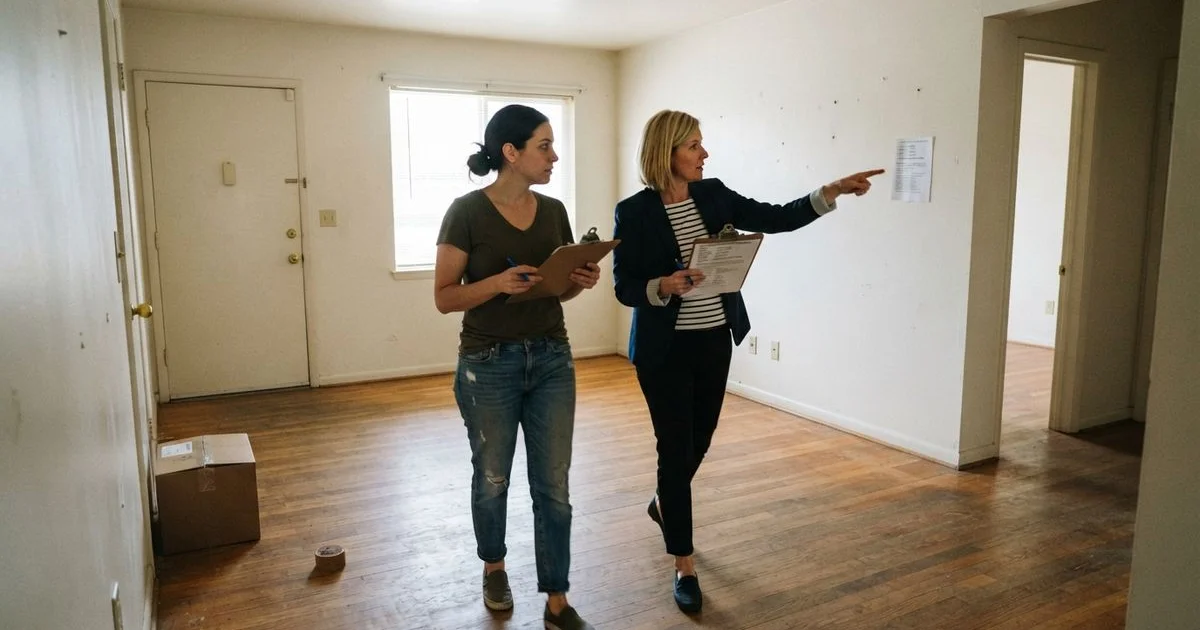
A deposit dispute is one of the most common complaints in Dallas apartment reviews: a tenant cleans the unit, patches nail holes, does everything asked, and the deposit still doesn’t come back, or comes back with deductions nobody explained. Texas law actually gives renters fairly clear protections here. The problem is most people don’t know the specific mechanics until they’re already arguing about it.
The 30-day clock, and what actually starts it
Under Texas Property Code Chapter 92, a landlord has 30 days after you move out to either refund your deposit in full or send you an itemized list of deductions. But that 30-day window depends on you giving the landlord a forwarding address in writing. If you never send one, the landlord’s obligation to act within 30 days doesn’t fully engage, which is why this single step trips up more renters than any deduction dispute. Send your forwarding address in writing, by email or certified mail, at or before move-out, and keep a copy.
What’s a legitimate deduction, and what isn’t
Landlords can deduct unpaid rent and the cost of repairing damage beyond normal wear and tear. Normal wear and tear covers the ordinary effects of living in a space: minor carpet wear from foot traffic, small nail holes from hanging pictures, faded paint. It does not cover a landlord’s routine cost of preparing a unit for the next tenant, like a standard repaint between leases, unless the paint condition is genuinely beyond normal use.
| Typically deductible | Typically not deductible |
|---|---|
| Unpaid rent or fees owed under the lease | Routine repainting between tenants |
| Large stains or burns in carpet | Minor carpet wear from normal foot traffic |
| Holes in walls beyond small nail holes | Small nail holes from hanging pictures or shelves |
| Missing fixtures or broken appliances (tenant-caused) | Fixture wear from years of normal use |
| Excessive cleaning for genuinely unclean conditions | Standard move-out cleaning a landlord would do anyway |
This is a general guide, not a line-by-line legal standard; whether a specific deduction is fair often comes down to photos, lease language, and move-in condition documentation, which is exactly why the next section matters.
Protect yourself before you move out, not after
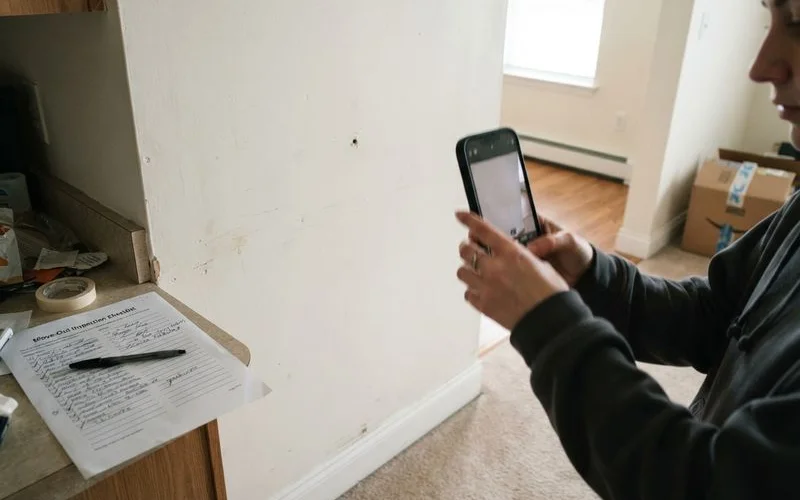
The single best defense against a deposit dispute is documentation from day one. Photograph or video every room at move-in, including anything already damaged, and get it in writing to the leasing office so there’s a dated record. Do the same at move-out. If you clean and repair anything yourself, photograph the finished result. None of this guarantees a full refund, but it turns “he said, she said” into something you can actually point to.
If your deposit doesn’t come back
If 30 days pass after you’ve sent a forwarding address and you’ve received neither a refund nor an itemized deduction list, Texas law treats that as bad faith retention, and you may have grounds to recover the withheld amount plus damages and, in some cases, attorney’s fees through small claims court. Before filing anything, send one clear written demand referencing the date you provided your forwarding address and the date the 30-day window closed. Many disputes resolve at that stage without a court filing.
Where to go for help
- Small claims court (Justice of the Peace court in your county) handles most Texas deposit disputes without needing an attorney.
- Texas Department of Housing and Community Affairs publishes renter-facing guidance on tenant rights.
- A local tenant rights organization or legal aid clinic can review your specific documentation if the amount in dispute is significant.
If you’re leaving before your lease term is up, the deposit math changes; the guide to breaking a lease in Texas covers how liability and deposit deductions interact when a tenant moves out early.
This guide covers general Texas security deposit rules and is not legal advice for your specific lease or situation; deposit disputes can turn on lease language and local court practice, so confirm your options with a tenant rights resource or attorney before taking formal action. Our scoring methodology explains how we weigh complaint patterns like deposit disputes when reading Dallas apartment reviews, and you can start from the homepage to see how current-scoring communities compare.
FAQ
- How long does a landlord have to return my deposit in Texas?
- Texas Property Code Chapter 92 requires landlords to refund the deposit, or send an itemized list of deductions, within 30 days after you move out and give a forwarding address. The clock starts from when both conditions are met, not just your move-out date.
- What can a landlord actually deduct from my deposit?
- Unpaid rent, and damage beyond normal wear and tear, such as large stains, holes in walls, or broken fixtures. Normal wear and tear, the everyday fading, minor scuffs, and carpet wear that come from ordinary living, generally cannot be deducted.
- Do I need to give a forwarding address to get my deposit back?
- Yes. Texas law puts the burden on you to provide a forwarding address in writing. Without one, a landlord's 30-day obligation to return or itemize the deposit doesn't fully kick in, so send it before or right at move-out and keep proof you sent it.
- What happens if a landlord keeps my deposit without an itemized list?
- If a landlord withholds any part of your deposit without providing an itemized list of deductions, they may forfeit the right to withhold any of it and could owe you additional damages under Texas Property Code Section 92.109. This is a real remedy, but pursuing it usually means small claims court.