
Signing an apartment lease with roommates in Texas: who's actually on the hook
By Ross Quade · Updated 2026-07-20
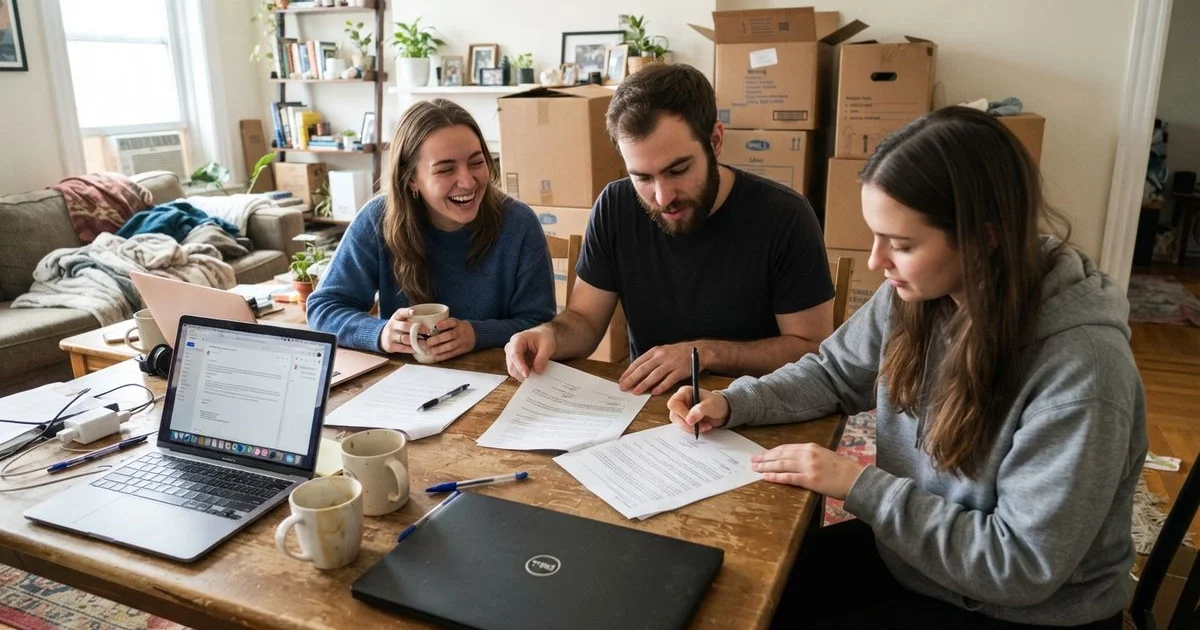
Splitting rent with roommates sounds simple until someone’s card gets declined on the first of the month. What most renters don’t realize until it happens is that a standard Texas lease doesn’t actually split anything, legally, everyone who signs is on the hook for the whole amount.
What joint and several liability actually means
Under a standard joint lease, every adult who signs is jointly and severally liable for the full rent and all lease obligations, not just an even share. If three roommates sign a lease with $1,800 monthly rent and one stops paying, the landlord isn’t limited to chasing that person for their $600 share. They can pursue any signer, or all of them, for the full $1,800. This is standard across most professionally managed Texas leases, and it’s not something a friendly private arrangement between roommates changes.
Your private agreement matters, just not to the landlord
A written roommate agreement, covering how you split rent, utilities, and shared costs, and what happens if someone wants to move out early, is genuinely useful. It just doesn’t reach the landlord. If you have a roommate agreement stating everyone pays an even third, and one roommate fails to pay, the landlord can still pursue any signer under the lease itself; your agreement only gives you a basis to pursue that roommate separately for what they owed you.
| Document | Who it protects you from | Enforceable against the landlord? |
|---|---|---|
| The lease | N/A, this is what creates your liability | Yes, this is the binding contract |
| A private roommate agreement | Helps resolve disputes between roommates | No, it doesn’t limit landlord claims |
What to put in a roommate agreement anyway
Even though it won’t change your liability to the landlord, a written roommate agreement is worth having for the situations a lease doesn’t cover:
- How rent and utilities are actually split, and by what date each person pays their share to whoever handles the lease account
- What happens if someone wants to leave before the lease ends, including how a replacement roommate gets found and approved
- How the security deposit gets divided at move-out, and who’s responsible for damage a specific roommate caused
- A basic understanding of shared spaces and house rules, which prevents a surprising number of disputes on its own
Choosing roommates matters more than it might seem
Since you’re financially exposed to whatever a roommate does or doesn’t do, a certain amount of vetting is reasonable before you sign together. Ask directly about their income stability and how they’ve handled shared living before. This isn’t about distrust, it’s about understanding what you’re actually agreeing to before your name is legally tied to theirs for a year.
If a roommate stops paying
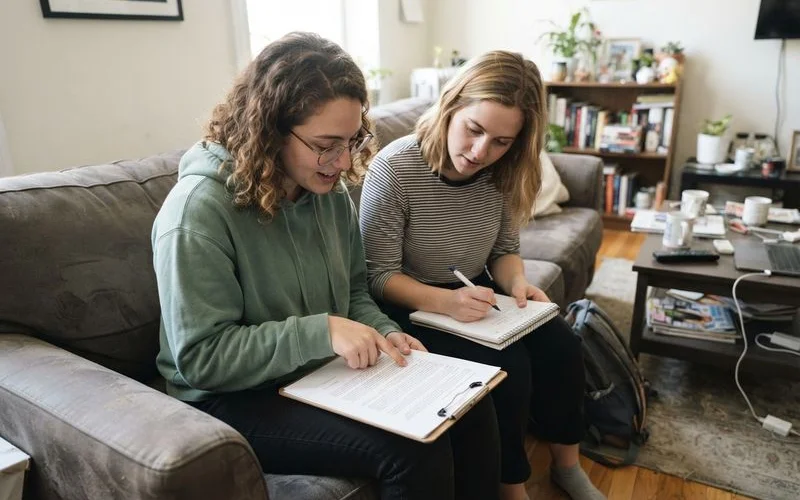
Notify the property immediately rather than trying to quietly cover the gap yourself and sort it out later. Some properties are willing to work with remaining roommates on a path forward, like re-qualifying the lease with a new roommate, especially if you communicate early rather than after a payment is already missed. Document what happened and what your roommate agreed to pay, since that documentation matters if you need to pursue them separately for what they owed.
An alternative worth asking about
A small number of properties, more commonly student-oriented communities, offer individual or by-the-bed leases, where each resident is only liable for their own portion rather than the whole unit. This isn’t standard for most Texas apartment leases, so don’t assume it applies; ask directly if it’s something the property offers.
This guide covers general information about roommate liability under a typical Texas lease and is not legal advice for your specific lease; review your actual lease language and consult a tenant rights resource or attorney if a dispute arises. See how we evaluate lease terms and resident feedback in our methodology, and start from the homepage to compare current listings.
FAQ
- If my roommate doesn't pay their share, am I responsible for it?
- On a standard joint lease, yes. Texas leases typically hold every signer jointly and severally liable, meaning the landlord can pursue any one signer for the full rent amount, regardless of how you and your roommates split costs privately.
- Does a private agreement between roommates override the lease?
- No. A side agreement about how you split rent and expenses is only enforceable between you and your roommates, it doesn't change what the landlord can pursue under the lease itself. It's still worth having in writing, just don't mistake it for lease protection.
- Can I remove a roommate from the lease if they move out early?
- Only with the landlord's agreement, typically through a lease amendment. Simply having a roommate move out doesn't remove their name or their liability from the lease unless the property formally processes that change.
- Is there an alternative to standard joint liability?
- Some properties, particularly student-oriented communities, offer by-the-bed or individual leases where each resident is only responsible for their own portion. This isn't the norm for standard Texas apartment leases, so ask directly if it's available before assuming it applies.